New Year’s Resolutions: Momentum and Balance

New Year’s Eve was very quiet near me this year. My neighbors were calm. The street was still. I’ve had so many NYE celebrations that were very fun and exhilarating. This time though, I really welcomed the peace and calm at home.

At midnight, I took a few moments to write down and focus on the intentions I want to manifest this year.

🙖

I believe it’s valuable to find balance in New Year’s goal setting.

Our January resolutions carry an intriguing momentum. A collective wave of “new year, new you” energy is exciting—there’s a power in being part of a collective energy toward hoping for better outcomes, fresh beginnings, and new paths to explore.

Yet, especially with all of us having experienced a year of significant unanticipated changes and instability, it’s so very important to keep a sense of gentleness when we focus on our new goals and visions. When we focus on our resolutions, maintaining a space of flexibility and self-care can help us be kinder to ourselves as we navigate the continued changes and developments around us.

🙖

I want to share a few of my goals for Magdalene Journal this year with you:

To do my very best to continue adding value for you dear readerbringing a mixture of fun and light-hearted pieces alongside more in-depth, exploratory content, while always listening to and acknowledging your input and feedback.

To bring you a storefront with lots of creative, unique, and eclectic goods (featuring many artists and artisans) as well as services.

To keep building a community here of folks who enjoy sharing inspiration and encouragement.

Thank you so much for being here! Happy New Year and wishing you all the blessings for you and yours, and for your own goals and intentions.

With love,

Erica Magdalene

(Photo by Erica Magdalene: a moment in Conejo Community Park where a few lovely fairies made their presence known 🙂 )


‘Tis the Season for Classic Christmas Films!

Even if you don’t celebrate Christmas, there’s nothing like a Christmas movie to restore your faith in humanity. Or, make you laugh about how crazy we get trying to create the perfect holiday experience for our loved ones. But the true meaning of Christmas isn’t in the glittery decorations or buying expensive gifts for all the good boys and girls on your list. To remind you of what Christmas is really about, here are 8 inspirational, heart-warming films to check out.

It’s a Wonderful Life (1946)

With its cast of acting legends, including Jimmy Stewart, Lionel Barrymore, and Donna Reed, It’s a Wonderful Life is a holiday staple with a timeless message: “No man is a failure who has friends.” The movie starts out in heaven, where God has received the prayers of George Bailey’s family and friends. Humble, self-sacrificing George is definitely in need of help, as he contemplates ending his seemingly pointless life. His efforts to drown himself in the river are thwarted by Clarence, a guardian angel who shows George how he’s touched the lives of so many people in his community. Even more important, George learns that guardian angels aren’t just in heaven. They’re all around us, ready to help if we just have the courage to ask.

The Man Who Invented Christmas (2017)

Most people’s holiday playlist wouldn’t be complete without A Christmas Carol, but the story of how Charles Dickens conceived this classic novel is a fascinating tale on its own. In The Man Who Invented Christmas, young Charles is going through a creative and financial slump when his last 3 books fail to resonate with the public. He’s determined to revive his career with A Christmas Carol but has to deal with the Christmas ghosts in his own life, like the irresponsible father he’s always hated and an unhappy wife who’s tired of being second to his work. Does Charles finish the book in time for a Christmas release? Does he reconcile with his family and celebrate the holidays with festive cheer? You’ll have to watch the movie to find out!

Holiday in the Wild (2019)

More than a Christmas film, Holiday in the Wild is about a woman’s journey to find new meaning in her life following a traumatic event. After her son leaves for college, Kate surprises her husband with a trip to Zambia, only to find out he wants a divorce. She goes on the trip by herself and ends up spending the holiday season at an elephant sanctuary. Inspired by her stay, she comes back to America and becomes a vet. But when the sanctuary faces closure due to funding cuts, Kate must decide where her future lies – in her safe, comfortable life in New York, or as a wildlife warrior in the heart of Africa.

A Garfield Christmas (1988)

In this animated special, Jon, Odie, and Garfield head to the countryside to spend Christmas with the Arbuckles. Garfield remains cynical about the joys of Christmas, like singing carols and the annual reading of Binky: The Clown Who Saved Christmas by Jon’s father. But Garfield’s soft side comes out when Odie surprises him with a homemade gift. By the end, Garfield learns what Christmas is really about: “It’s not the giving, it’s not the getting, it’s the loving!”

Jingle All the Way (1996)

It’s no cinematic masterpiece, but this is the film of choice if you need a good laugh this holiday season. The movie features two overworked fathers in their quest to secure a Turbo-Man action figure for their sons on Christmas Eve. The film was inspired by the less-than-dignified behavior of parents at sell-out events for toys like the Cabbage Patch Kids. There should probably be a “trigger” warning for parents who have been in this situation. But the scene where hundreds of adults are fighting tooth and nail over the hottest toy of the year is undeniably hilarious – especially with Johnny Mathis’s It’s the Most Wonderful Time of the Year playing in the background.

Miracle on 34th Street (1947)

For a film that was made over 50 years ago, Miracle on 34th Street deals with some very modern-day issues: an overworked single mom, the commercialization of the holiday season, and taking Santa Claus to court. Despite such heavy-handed topics, the movie’s magic lies in the quest to prove that Kris Kringle really is Santa Claus. In the words of movie critic Bosley Crowther, this is a movie for “all those blasé skeptics who do not believe in Santa Claus—and likewise for all those natives who have grown cynical about New York.” Or, for that matter, for anyone who’s stopped believing in miracles.

Love Actually (2003)

If you’re a fan of British flicks like Bridget Jones, then Love Actually is an absolute must for your holiday movie list. The movie takes place 5 weeks before Christmas and is told through 10 different storylines that are all interlinked. It sounds complicated, but it all comes together in a cheeky, romantic comedy about love – in all its various forms. Some of the stories are happy, like Jamie and Aurelia, who fall in love even though they don’t speak the same language. Others are sad or downright awkward, but there’s something here for anybody who’s ever been in love.

Little Women (1994)

There are several versions of this movie, based on Louisa May Alcott’s novel by the same name. This is a modern version starring Winona Ryder and Christian Bale, but it faithfully conveys Alcott’s message of love, hope, and faith, even in the midst of the Civil War. No matter how burnt out you are on holiday cheer, your heart can’t help melting when the girls give up their Christmas breakfast to a poor family – and do it with joy. There are some tear-jerking moments as well, but the family’s resilience through their hardships is an example we can all benefit from this year.

Of course, this is just the tip of the iceberg when it comes to Christmas movies we can’t do without. But we hope it’s a good starting point for your holiday movie binge-fest. We’d also love to hear about some of your favorite Christmas films. Please let us know in the comments below.

And no matter how you celebrate this time of the year – have a safe and happy holiday season!

Article by Rose Scott. Check out more of Rose’s work at https://thewriterrscott.wordpress.com/

Photo credit: @freestocks

Note for affiliate links: As an Amazon Associate I earn from qualifying purchases. Thank you for helping support Magdalene Journal with any of your purchases through affiliate links.


Timeless Principles to Support Your Life

My interest in Stoicism began when I was in high school. Epictetus, the Stoic we are going to look at, was mentioned in one of my favorite books, Franny and Zooey, by J.D. Salinger. I tried reading some philosophy books, but got swept up in other interests. After I retired, I decided to give it another try. Stoicism, which I knew nothing about, was becoming more well known so I started there. I was glad to find that my studies in an online course began with Epictetus.

Part of what makes Stoicism fascinating to study is that three of its most well-known practitioners were from widely different backgrounds. Epictetus was born a slave. Marcus Aurelius was the emperor of the Roman Empire. Seneca was an adviser to an emperor, renowned playwright, and one of the richest people in the Roman Empire. For me, that’s what makes Stoicism so powerful. It provides timeless principles to help us in both good and bad times. These are also the first Stoics who had their ideas in writing.

Epictetus

We are beginning with Epictetus, who lived from 50 to 135 and was born a slave. When he was freed, he lived and taught in Rome teaching philosophy until all who did this were banned. He then spent the rest of his life in Greece. His teachings were written down and published by his pupil Arrian in his Discourses and Enchiridion. Epictetus taught that philosophy is a way of life and not just a theoretical discipline.

The opening paragraph of The Enchiridion states that “Things in our control are opinion, pursuit, desire, aversion, and, in a word, whatever are our own actions. Things not in our control are body, property, reputation, command, and, in a word, whatever are not our own actions.” I have found this helpful in my own life when dealing with worry—all external events are beyond our control so we should accept them calmly and dispassionately. He focused on ethics that included living by reason, rather than emotions. Epictetus sought to transform emotions within a philosophy that enables a person to develop clear judgment and inner calm. Logic, reflection, and concentration were the methods of the required self-discipline to become a Stoic. He taught that individuals are responsible for their own actions, which they can examine and control through rigorous self-discipline.

This is a slow process, but leads to a more fulfilling and peaceful life. As I progress, I have found that this works for me. It also worked for James Stockdale, a fighter pilot who was shot down while serving in the Vietnam War. He was introduced to the works of Epictetus while at Stanford University. In his book “Courage under Fire: Testing Epictetus’s Doctrines in a Laboratory of Human Behavior (1993),” Stockdale credits Epictetus with helping him endure his seven-and-a-half years in captivity, which included torture and four years in solitary confinement. When he was shot down, he reportedly said to himself “I’m leaving the world of technology and entering the world of Epictetus!” Psychologist Albert Ellis, the founder of Rational Emotive Behavior Therapy, credited Epictetus with providing a foundation for his system of psychotherapy.

“God grant me the serenity to accept the things I cannot change, the courage to change the things I can, and the wisdom to know the difference.” This is a modern version called the Serenity Prayer and it began with 12-step programs and now is in regular use in many self-help groups.

These are some of my favorite quotes from Epictetus, and they still resonate today. How many of them sound familiar to you?

“Wealth consists not in having great possessions, but in having few wants. He is a wise man who does not grieve for the things which he has not, but rejoices for those which he has.”

“Only the educated are free.”

“The key is to keep company only with people who uplift you, whose presence calls forth your best.”

“People are not disturbed by things, but by the view they take of them. It’s not what happens to you, but how you react to it that matters.”

“Circumstances don’t make the man, they only reveal him to himself.”

“We are not privy to the stories behind people’s actions, so we should be patient with others and suspend judgement of them, recognizing the limits of our understanding.”

“Deliberate much before saying or doing anything, for you will not have the power of recalling what is said or done.”

If you are interested in learning more:

  • There is much information on YouTube about Stoicism and Epictetus. Just type in Stoicism and pick anything that interests you.
  • You can also find The Enchiridion in bookstores, as well as Amazon. A free version is on Project Gutenberg here.
  • I especially recommend Stephen Brown’s lectures—I have been learning from him for over a year now. Watching them has created a life changing experience for me. He just recorded this summary of his own practice and how it has helped him. 


Article by Sue Anderson

Photo credit: Simon Rae

Positive, Mindful Ways to Combat COVID Fatigue

The term “COVID fatigue” has been tossed around a lot lately. With all the conspiracy theories and misinformation out there, I initially thought this was a bunch of hocus pocus. But COVID fatigue – getting careless because we’re sick and tired of masking, being cooped up, being terrified – is a very real thing. And it’s dangerous, as evidenced by the millions of new cases in just a matter of days. 

For me, being scared is the biggest problem, even as I (thankfully) enter month 11 of being COVID free. You’d think that would make me even more vigilant, but the stress of wondering if I’ll get sick, dodging strangers who come too close, trying to remember what it felt like to hug someone…it makes me downright cynical at times. Like, why am I bothering with a mask when there are no guarantees? Why can’t I just live my life already?

If you’re in the same headspace, you may be wondering how you can get yourself back on track. The key is recognizing COVID fatigue as a mental health issue. It wears away on your mind and creates an altered reality that’s ruled by anger and disillusionment. That’s why it’s so important to develop mindful coping skills – ones that can keep you positive and maybe even spread that joy to others.

While we all have different ways of coping, here are some mindful habits that get me through the dark times:

Exercise (No gym membership needed!)

There’s a reason so many doctors prescribe this as a coping mechanism. Even a simple, brisk walk can help you feel better by releasing feel-good endorphins and reducing the body of stress hormones like adrenaline. If you don’t feel like going out, try a 10-minute stretch or yoga session. I like to get in a session early in the morning, in between my first and second cup of coffee. That way, I’m ready to face the day with strength and positivity!

Expressing Gratitude

Being grateful shouldn’t be an annual exercise right before you cut the turkey. It’s actually a great way to bring yourself back to reality when you start ruminating about the future or how much better things were last year. Some people keep gratitude journals so they can write down their thoughts at the end of each day. But there’s no right or wrong way to do this. It’s really about focusing on what you have, versus what you don’t have.

Talk About It

This seems so obvious, but many of us have been brought up on values like self-reliance and fortitude. Which are wonderful qualities, mind you, but no one can be strong all the time. In fact, not expressing your fears and anxiety will end up making you weaker in the end. And if you don’t have anyone to talk to? Write down your thoughts or look up an online forum where you can connect with others. You can even express your feelings through art or music, like painting or playing an instrument.

Practice Mindfulness

In recent years, mindfulness has been recognized as a powerful coping mechanism by major universities and medical centers. In a nutshell, mindfulness is being fully aware of the present moment and keeping your focus on the task at hand. If you’re washing your hands, for example, pay attention to all the sensations and movements, like the feel of the water, the fragrance of the soap, the way your hands feel when they rub together.

If you start drifting to sad or negative thoughts, acknowledge those thoughts, but redirect your attention to the act of washing your hands. By redirecting yourself, you learn to avoid the vicious circle of ruminating, i.e., thinking the same sad, dark thoughts over and over. Now, I’m not saying mindful handwashing will cure you of your COVID-related anxieties. But practicing mindfulness can help you manage your emotions and make better choices when you feel overwhelmed.

Limit Negative Influences

I was never a news junkie before the pandemic, but these days, staying informed is practically a national pastime. And we all know news shows tend to be way more negative than positive. All that negativity totally fed into my COVID-fatigue, so I started to limit my news consumption. I stick to whatever comes up on YouTube’s “Breaking News” feed in the morning, then go about my day. Oh, and be careful with social media, which can be a hotbed of scare tactics designed to get you worked up.

One last bit of advice…go easy on yourself. If you’re like me, there’s nothing like a crisis to bring out your worst fears and insecurities. I know I’m not the only one this year who’s burst into tears or tossed and turned at night, thinking about how I could have been better prepared for a situation like this. Whenever you get down on yourself, remember how far you’ve come – how far we’ve all come. It may be hard to see the light during this dark, cold winter, but believe me: We will survive this pandemic, and come out of it stronger than we were before.


Article by Rose Scott. Check out more of Rose’s work at https://thewriterrscott.wordpress.com/

Photo credit: Paula Palmieri

Seeing the Bright Side of a Virtual Thanksgiving

With COVID-19 cases at an all-time high, most of us are planning on video calls instead of visiting loved ones for Thanksgiving this year. Which, initially, sounds about as festive as a raw turkey wrapped in a wet blanket. But each circumstance life hands you has its set of pros and cons, and we assure you there are plenty of positives to a virtual Thanksgiving celebration.

If you’re having trouble seeing the bright side of Zooms-giving, here are just a few reasons that will help you see the light!

Bring apprehensive relatives into the digital age

We all have that one relative (or several) who’s still asking, “What’s a Facebook?” Well, a virtual Thanksgiving mandate may be the push they need to finally enter the digital age. Before the “Big Day,” make some time for a practice run so they can set up a Zoom account and learn how to use the basic functions.

Remember to be patient and laugh at the inevitable glitches. After all, we extend this courtesy to our colleagues, so why not our family members? Yes, it’s annoying when your relative asks the same question for the fifth time, but moments like these will be precious memories when they’re gone. Oh, and here’s another bonus that may get apprehensive relatives on board: if they pick a background, no one will see the clutter in their living room or judge them for not taking down those Halloween decorations.

Share family recipes

For many of us, it just wouldn’t be Thanksgiving without family favorites like mom’s apple pie or uncle Bob’s famous sausage stuffing. Make this the year where you finally learn the recipe! That way, you can make it any time you like and feel the holiday fuzzies all year long.

Just set up a Zoom session and invite family members to watch, or cook along with grandma as she demonstrates the secret to her creamy mashed potatoes. Along with the Zoom invite, make sure to email everyone a list of the ingredients and tools they’ll need ahead of time.

No need for a kid’s table

A kid’s table may be a necessity when all your siblings and cousins stop by with their little ones. But it also creates a disconnect when Thanksgiving should be about togetherness. With a virtual Thanksgiving, kids can sit at the table in their own home and engage with the adults. They can even draw or make crafts and receive instant “oohs” and “aahs” from the grownups.

Zooms-giving etiquette

Dreading the prospect of arguing with your rich, uber-successful brother or keeping your cool when Aunt Beth asks yet again, “So, when are you getting married?” Well, thank goodness for Zooms-giving etiquette!

Even if your relatives are veteran onliners, a practice run may still be a good idea to head off technical issues with computers, internet connections, etc. These sessions are also a great time for setting ground rules, like not talking all at once and off-limit conversation topics. Believe it or not, this is a lot easier to do online than in person, perhaps because you’re already used to doing it with your coworkers. And if your relatives break all the rules and start shouting or arguing? Hit the mute button and enjoy the silence until they’re done.

Positives aside, a virtual Thanksgiving isn’t the same as hugging people you haven’t seen all year or huddling up on the couch to watch football with your family. But it is a chance to keep your loved ones safe so you can hopefully see them the following year. And remember – previous generations in quarantine could only communicate through letters or occasional phone calls. Let’s give thanks for the technology that keeps us connected, not just on Thanksgiving, but all throughout the year!

Article by Rose Scott. Check out more of Rose’s work at https://thewriterrscott.wordpress.com/

Photo credit: Afif Kusuma

What Colors Can Say About You

“I found I could say things with colors that I couldn’t say in any other way – things that I had no words for.” Georgia O’Keeffe

The colors you choose to wear say so much about how you feel, such as happy, sad, depressed, anxious, calm, or energized, and can also even affect your stress levels. The colors you wear on any given day are actually expressing your emotions; and will also say something about you to the people you encounter throughout your day.  Therefore choosing the right color to wear is the first step for a bright productive day!

“Mere colour… can speak to the soul in a thousand different ways.” Oscar Wilde

Red is a highly charged color and is filled with emotions, such as confident, dominating and bold, as is purple, which can reflect trustworthiness, loyalty and confidence. Pastel green can make you look relaxed and fresh, and yellow is such a happy color – it represents such warmth and cheerfulness that just wearing it will have a good effect on you and the people around you. Pink works for everyone; it can be associated with sophistication and sincerity and is an excellent color to demonstrate true friendship.

“Your true colors
True colors are beautiful
Like a rainbow”
Lyrics to True Colors

Choosing the best colors for you will definitely make your day brighter and more productive. Also with winter approaching, many are in colder climates with shorter and somewhat dark and dreary days. If this weather is affecting you, you can always reach for your bright and bold colors for an instant pick-me-up. Whether you choose a vibrant item from your wardrobe, a bright piece of statement jewelry, or even experiment with some dazzling color options in your hair or makeup, hopefully this gives you some inspiration and confidence to explore expressing yourself – and maybe even brightening someone else’s day – through the color choices that are all around you.

“Try to be a rainbow in someone’s cloud.” Maya Angelou


(Header photo credit: Alexandra Lammerink)

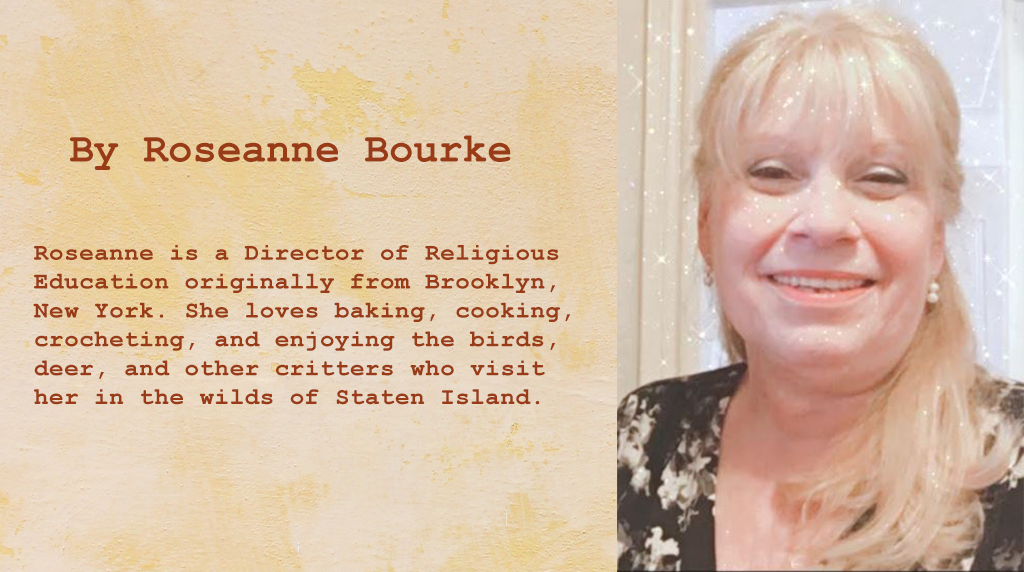
Roseanne author bio 3

Thanksgiving Movies to Get You in the Holiday Spirit

Ah, Thanksgiving – that one sacred day in late fall when family and friends gather, no matter how far apart they are. Well, things are a bit different this year…okay, a lot different.

So how do we get in the spirit and feel those holiday fuzzies when isolation is the order of the day? Thanksgiving movies, of course! To help rekindle the joy of Turkey Day, even in the midst of a pandemic, here are 7 Thanksgiving-themed films to add to your playlist.

The Blind Side (2009)

It’s easy to get caught up in the artificial trappings of Thanksgiving, but movies like The Blind Side remind us of its true meaning: gratitude for the basics, like having a place to call home. Based on the real-life story of NFL lineman Michael Oher, the film focuses on his traumatic life and his relationship with the Tuohy family, who end up adopting him. No matter how cynical you feel, watching Michael enjoy Thanksgiving dinner for the first time will make you appreciate how good you have it.

A Charlie Brown Thanksgiving (1973)

For most of us, it just wouldn’t be Thanksgiving without the Peanuts gang. In A Charlie Brown Thanksgiving, Charlie Brown is confronted with the all-too-real struggle of producing a Thanksgiving feast when he only knows how to make “cold cereal and maybe toast.” Snoopy’s casual approach to holiday cooking reminds us: it’s not about what’s on the table, it’s about who you share it with.

Planes, Trains and Automobiles (1987)

Bummed out by holiday travel restrictions? Well then, here’s a film to remind you of the joys of staying home. This classic 1980s comedy is about the misadventures of Neal Page, who encounters one disaster after another on his way home for Thanksgiving. The hilarious antics of Steve Martin and John Candy are enough to put you in a good mood. But the film’s message about caring for others and lending a helping hand even when you’re facing the holidays alone? Cue the warm holiday fuzzies!

Home for the Holidays (1995)

Okay, so maybe a sappy holiday movie isn’t gonna do it for you. Perhaps you need a train wreck to remind you that your own life isn’t so bad. In that case, Home for the Holidays may be right up your alley. Right before Thanksgiving, Claudia is fired from her job and finds out that her daughter will not be coming home for Thanksgiving. Watching Claudia endure a hilarious, yet dysfunctional Thanksgiving weekend with the rest of her family is a sure-fire cure for the “holiday for one” blues.

Rudy (1993)

Sad you won’t be watching football with the fam as the smell of roast turkey fills the air? Well, you can still capture the spirit of that ritual with Rudy, the biopic depicting the life of Daniel Ruettiger and his dream to play football for Notre Dame. While the movie isn’t specifically about Thanksgiving, Rudy’s persistence to achieve his dream against seemingly insurmountable odds is the kind of inspiration that we all need this year.

Turkey Hollow (2015)

There’s no need to stick with cartoons if you have kids or want something to bring our your inner child. In this fantasy tale, Tim and Annie are forced to spend Thanksgiving at their Aunt Cly’s farm in Turkey Hollow, a town without internet (gasp!) or any other form of technology. Out of boredom, the kids decide to search for a legendary monster called the Howling Hoodoo. With its quirky cast of human and puppet characters, Turkey Hollow is a modern take on traditional holiday values.

Paul Blart: Mall Cop (2009)

For some people, Thanksgiving is a chance to rest and fuel up before the rush of Christmas shopping. Before heading to the malls on Black Friday, take some time to appreciate essential workers by watching Paul Blart: Mall Cop. Single father and bumbling mall security officer, Paul, is the ultimate underdog who becomes a hero when he thwarts a Black Friday heist by a gang of thieves. Comedic and achingly relatable at times, Paul is the perfect anti-hero for an atypical Thanksgiving night.

We know these movies won’t make up for the family traditions you’ll be missing this year. But there’s the old saying about not knowing what you have until it’s gone. So take this time of sacrifice as an opportunity to appreciate what really matters: love, togetherness, and altruism. And let this period of self-reflection bring you a happier and more meaningful holiday season in 2021!

Article by Rose Scott. Check out more of Rose’s work at https://thewriterrscott.wordpress.com/

Photo credit: Samantha Gades

The Meditative Power of Baking

Baking can be viewed as meditative as much as yogic meditation means being in a state of calmness and consciousness; as you venture into the world of baking, it can have a similarly calming effect.

It can be a wonderful hobby and the benefits are plentiful; it’s a feeling of accomplishment, of being creative, and a relief of stress from our everyday lives. Whatever you bake does not have to be perfect. Just be creative and add your own flavor to a recipe!  I always add some vanilla to every cake and muffin mix; it smooths any flavor; and the smell of vanilla baking in an oven is soothing and comforting.

Here are a few more ideas to kick-start your creative approach to baking:

Decorating with Doilies

Take a doily, place it on top of your cake and sprinkle powdered sugar on it. There! You now have a lovely design. If you don’t have a doily at hand you can make one by taking computer paper and stenciling your own. Let your creativity run wild!  

Make Your Own Flavor Combinations

For instance, if you’re starting with orange flavor, just add a teaspoon of vanilla to the batter and voilà! You’ve got yourself orange creamsicle cake. 

Delightful Surprises

After your mix is in the pan, you can pour in red raspberry jam (any tasty flavor will do), swirl it with a knife, then bake. Your cakes will then have a beautiful marbling effect! 


Finally, kick back and enjoy a hot cup of tea while waiting for your cake to be done. Baking will inspire calm and creativity and have a positive impact on your day. You’ll get a sense of accomplishment along with a delicious dessert that you created which you and your family will enjoy. 


Roseanne author bio 3